
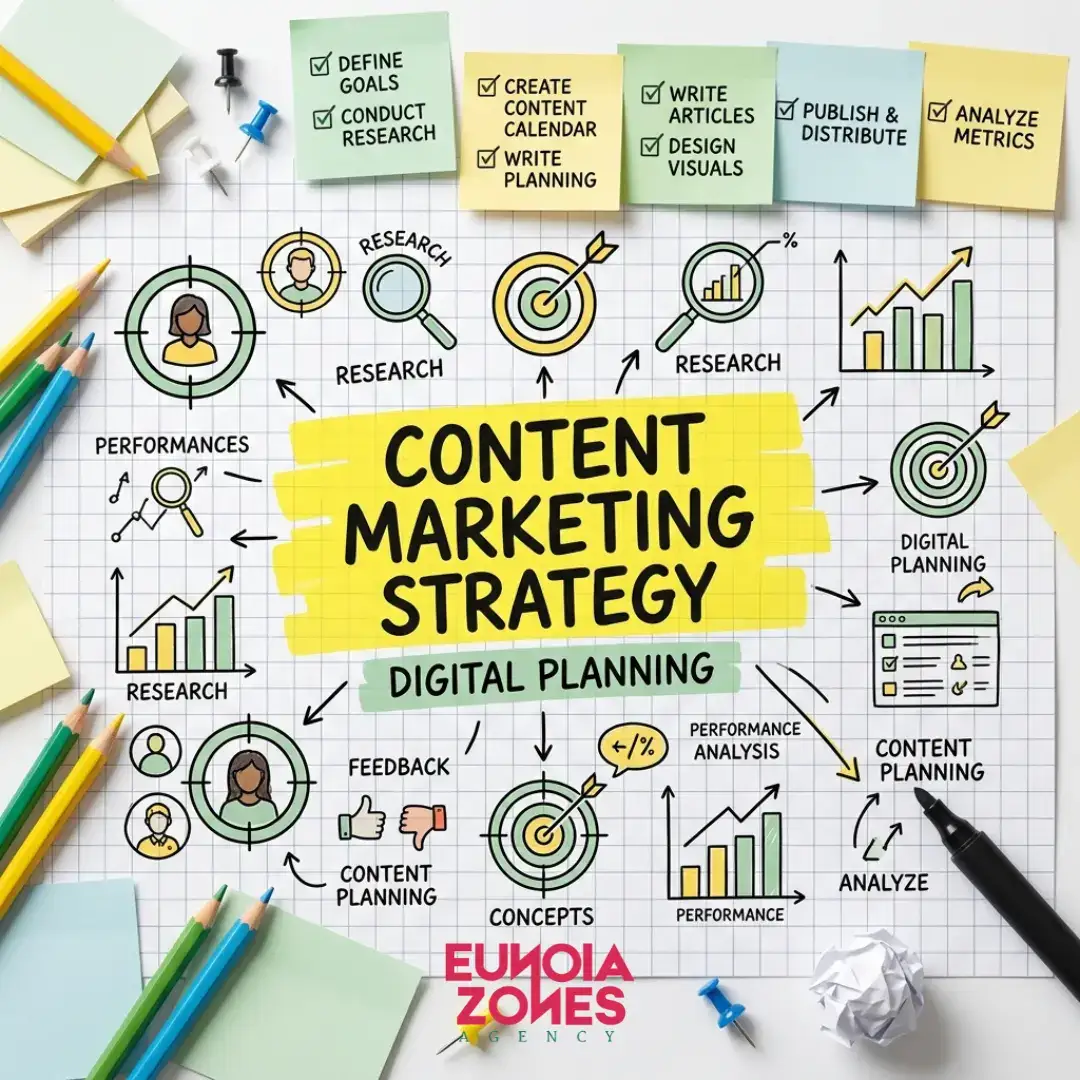
Content marketing is a strategic approach that focuses on creating and sharing valuable, relevant, and consistent content to attract and engage a clearly defined audience. Unlike traditional advertising, which interrupts the consumer experience, content marketing builds trust and authority over time. Businesses that provide helpful, informative content can guide potential customers through the decision-making process, from awareness to conversion. This strategy is essential for increasing brand visibility, nurturing leads, and maintaining long-term customer loyalty.
Types of Content That Engage Customers
Creating diverse types of content ensures that businesses reach their audience in the most effective way. The main content types include:
- Blog Posts and Articles: Deliver detailed insights and industry expertise.
- Videos and Webinars: Offer interactive and engaging experiences for users.
- Infographics and Visuals: Simplify complex ideas into easy-to-understand visuals.
- Case Studies and Testimonials: Build credibility through real-life success stories.
- Social Media Posts: Promote content and directly engage with audiences.
By combining these formats, businesses can maximize reach, retain attention, and build stronger connections with potential customers.
Don’t skip this: Real Estate Content Marketing Strategy for Property Developers
Steps to Build an Effective Content Marketing Strategy
Developing a successful strategy requires a systematic approach. Start by defining clear business goals, whether it is lead generation, brand awareness, or driving sales. Understanding your audience is crucial, which involves creating detailed buyer personas to capture their needs, interests, and challenges. Next, conduct a content audit to identify gaps in existing content and opportunities for improvement. Once the goals and audience are clear, plan content themes that align with their pain points and interests.
A content calendar is essential to schedule consistent production and distribution. High-quality content that aligns with brand voice and delivers real value will naturally attract and retain customers.
SEO Optimization for Better Visibility
Search Engine Optimization (SEO) ensures that content reaches the intended audience organically. Best practices include:
- Conducting keyword research to target what potential customers search for.
- Optimizing meta titles, descriptions, headings, and images.
- Including internal and external links to boost website authority.
- Ensuring fast-loading, mobile-friendly pages for better user experience.
Implementing these SEO practices increases organic traffic and positions the brand as a trusted source, enhancing both engagement and conversions.
Content Distribution and Performance Measurement
Content must be distributed through the right channels to be effective. Key distribution methods include websites and blogs as content hubs, social media platforms for audience engagement, email marketing for personalized communication, paid advertising to amplify reach, and collaborations with influencers to expand visibility.
Measuring performance is equally important. Metrics such as website traffic, engagement rates, social shares, and conversion rates help businesses assess the effectiveness of their strategy. Regular analysis allows continuous optimization, ensuring content continues to drive meaningful results.
By combining informative paragraphs with actionable points, businesses can create a content marketing strategy that attracts, engages, and converts customers effectively. A well-rounded approach enhances brand authority, boosts online presence, and ensures long-term growth and customer loyalty.
Don’t skip this: Professional Content Marketing Services for Small and Medium Businesses