
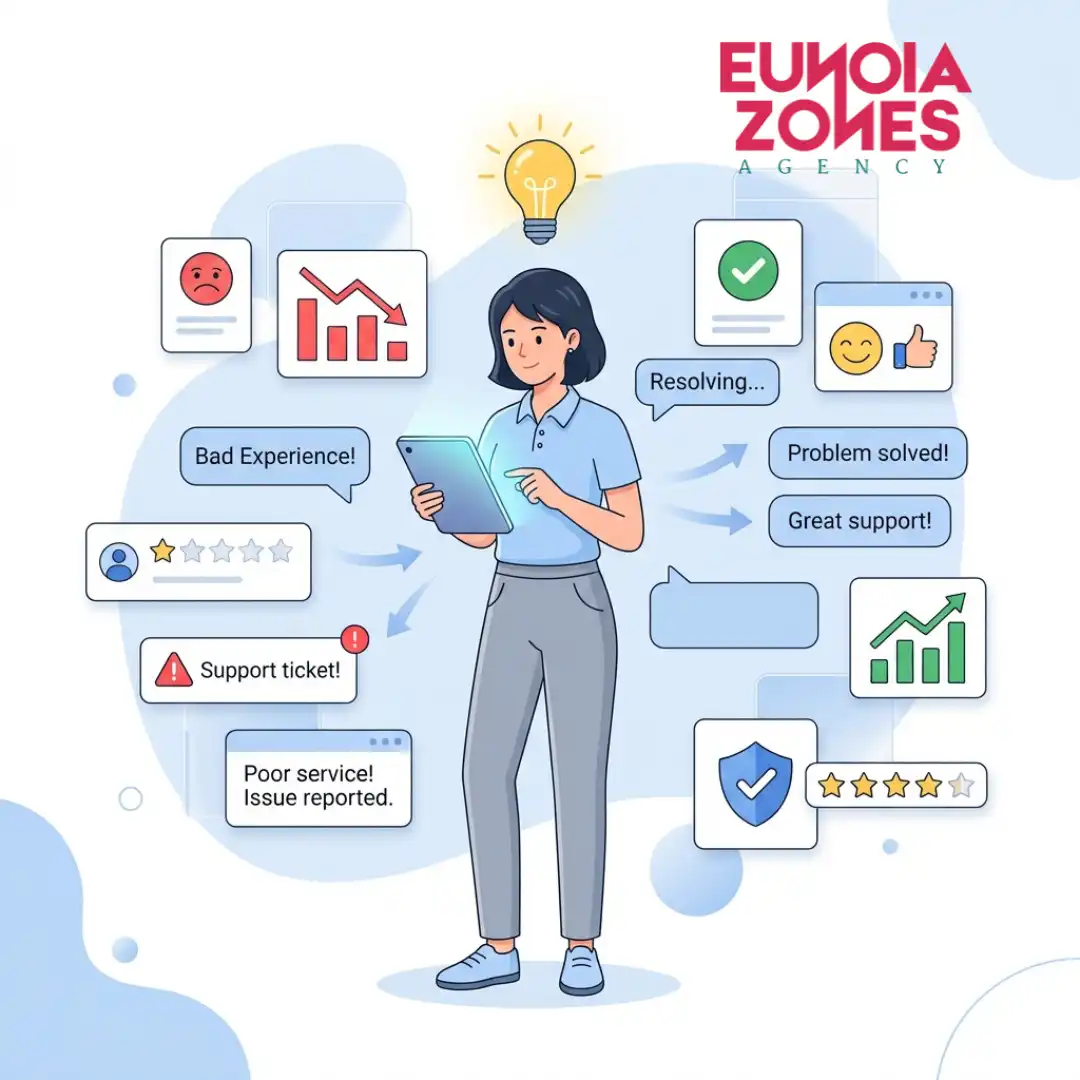
In a highly connected digital marketplace, a brand's reputation is its most valuable asset. While generating great content drives visibility, the true test of a corporate brand lies in how it handles friction. Online criticism is inevitable, but negative comments do not have to result in brand damage. When managed with strategic precision, public criticism offers an unique window to demonstrate corporate transparency, build consumer trust, and optimize operational performance.
The Importance of Online Reputation Management (ORM)
-
Algorithmic Trust Signals: Digital community platforms prioritize highly engaging threads. Leaving negative feedback unaddressed signals neglect, allowing a single complaint to dominate your public narrative.
- The Buyer Decision Funnel: Modern B2B and B2C clients actively review comment sections to gauge customer care. Active reputation management safeguards conversion rates by showing that your organization is accountable.
Don’t miss this detailed guide: Social Media Marketing for Egyptian Businesses A Complete Guide
Developing a Strategy for Responding to Negative Comments
-
The Anti-Defensive Rule: Responses should never be emotional or defensive. Brands must establish a uniform corporate tone that is empathetic, swift, and strictly solution-oriented.
- Speed of Resolution: Acknowledging an issue within the first few hours prevents negative commentary from cascading into a full-blown viral PR crisis.
Turning Criticism into Opportunity: Best Practices
-
Public Problem-Solving: Addressing a legitimate complaint transparently in the public eye allows onlookers to witness your commitment to buyer satisfaction firsthand.
- Humanizing the Corporate Identity: Personalized, authentic responses that discard robotic templates show consumers there are real, caring professionals behind the corporate logo.
When to Take Conversations Offline: Escalation Protocols
-
The Two-Response Limit: Publicly validate the complaint, offer a sincere initial resolution, and immediately transition the customer to a secure channel (e.g., direct messaging, email, or telephone).
- Handling Trolls vs. Valid Critics: Clear escalation protocols help customer service reps separate genuine consumers requiring assistance from bad-faith actors looking to damage brand reputation.
Don’t miss this detailed guide: social media content ideas for service based businesses in egypt
Proactive Strategies for Building a Positive Brand Image
-
Cultivating Brand Advocates: Actively engaging with positive feedback, loyal user reviews, and brand mentions creates an organic shield of community support that dilutes occasional negative remarks.
- Corporate Social Responsibility (CSR): Sharing transparent behind-the-scenes content and community-focused initiatives establishes an emotional bank account of goodwill with your audience.
Learning from Feedback: Improving Products and Services
-
Criticism as Free Market Research: Negative comments often point out actual flaws in supply chains, user interfaces, or product features.
- The Continuous Improvement Loop: Systematically logging complaints allows product development and service teams to implement structural updates, turning historical pain points into competitive advantages.
Don’t miss this detailed guide: How to Write Sales Content That Turns Followers into Customers in Egypt