
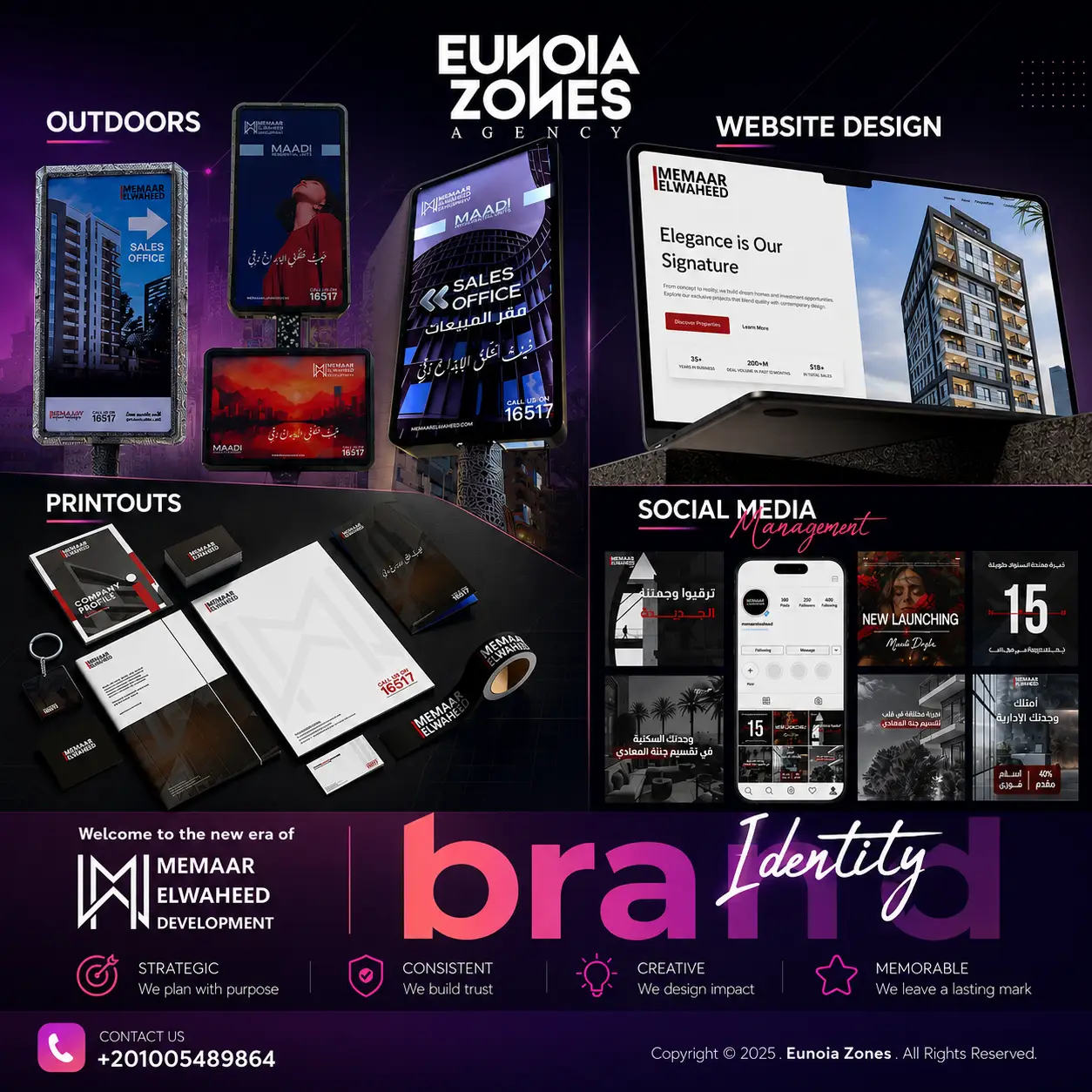
In today’s hyper-saturated global market, an enterprise's brand identity is no longer merely an aesthetic luxury or a surface-level marketing asset. It is the core strategic anchor that dictates an organization's market valuation, customer acquisition efficiency, and long-term survival. Many business leaders mistakenly conflate brand identity with a visually striking logo. In reality, a powerful brand identity functions as a company's corporate DNA, it governs how the market perceives your operations, values, and reliability.
The Fundamental Role of Brand Identity in Business Success
-
The Trust Anchor: A highly refined identity establishes immediate market credibility. It signals to B2B clients, investors, and stakeholders that your organization is stable, reliable, and deeply rooted in its industry.
- Unified Corporate Messaging: It aligns all internal and external communication channels. Without a cohesive identity framework, corporate messaging becomes fragmented, leading to wasted ad spend and diluted market impact.
Your logo is one of the most recognizable elements of your brand identity. Learn the essential principles in our guide to Logo Design Best Practices for Egyptian Businesses.
Components of a Strong Brand Identity: Beyond the Logo
A resilient, modern corporate identity is a living ecosystem that extends far beyond graphic design elements to include:
- Corporate Voice and Tone: The specific linguistic framework used across all brand touchpoints (e.g., authoritative, empathetic, or highly technical).
- Core Values and Mission Architecture: The underlying ethical principles and operational goals that answer why your organization exists.
- Holistic Visual Standards: Strict uniformity across color palettes, typography, UI/UX systems, and physical packaging to create instant cross-platform recognition.
Color plays a critical role in shaping customer perception. Discover how to choose the right palette in Choosing the Right Brand Colors for the Egyptian Market.
How Brand Identity Influences Customer Perception and Loyalty
-
Emotional Equity: B2B and B2C buyers do not make purchasing decisions based on cold logic alone; they buy from brands that evoke alignment. A consistent identity fosters a psychological sense of safety and professional accountability.
- Lowering Acquisition Costs (CAC): Sustained identity consistency cultivates deep brand loyalty. Loyal advocates defend your market presence and generate organic word-of-mouth growth, significantly protecting your bottom-line margins.
Beyond visuals, your communication style defines your brand. Read Creating a Brand Voice That Builds Customer Loyalty in Egypt.
Differentiating Your Business in a Crowded Market
-
Escaping Commodity Traps: In industries where technical product features are nearly identical, your brand identity is your sole differentiator. It directly explains to prospects why they should choose your firm over a lower-priced alternative.
- Commanding Premium Pricing: Strong positioning shifts the competitive dynamic from a race-to-the-bottom price war to a value-driven engagement, allowing you to sustain superior profit margins.
The Long-Term Value of Investing in Professional Branding
-
Asset Appreciation (Brand Equity): Capital allocated to professional branding is a long-term capital investment, not an administrative expense. A robust corporate reputation builds intangible asset value that lifts overall business valuation during mergers, acquisitions, or public offerings.
- Talent Magnetism: Top-tier industry professionals prefer to align their careers with highly respected, clearly defined brands, drastically reducing recruitment friction.
Steps to Develop or Revitalize Your Brand Identity (Rebranding)
-
Deep Market Diagnostics: Auditing your current perception, running intensive competitor landscape analyses, and mapping target buyer personas.
- Strategic Definition: Crystallizing your unique selling proposition (USP) and codifying the core message your brand promises to deliver.
Systematized Execution: Translating strategy into comprehensive corporate guidelines (Brand Guidelines). This ensures that every department—from product development to customer service—executes a unified, flawless brand experience.
Building a memorable brand does not always require a large budget. Explore Affordable Branding Strategies for Small Businesses in Egypt.